My learned friends, compatriots, believers, and non-believers.
The subject here is the Transatlantic Slave Trade.
Reparations: an unsolvable question, or an unsolvable amount.
Is there a middle ground without highs and lows, without study or research, without consideration or history. Is there an understanding without appreciation. Is there a polemic dialogue without contention or debate.
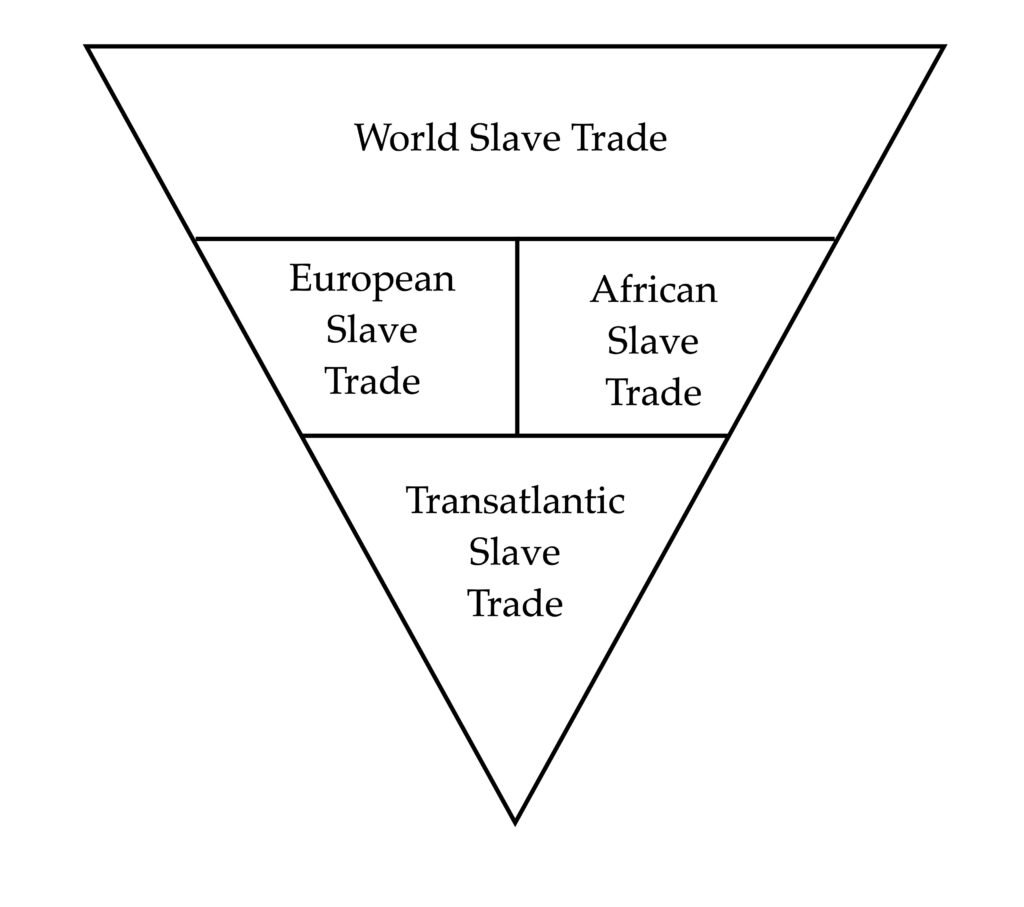
The long answer does not span all of Earth’s history, but is specific to a point of view or a location. The practice and distribution of slavery around the world represents precursors of the Transatlantic Slave Trade, and were built on a local and localised trade in human servitude according to traditions, lineage and war.
To describe the nature of the Transatlantic Slave Trade as similar to slavery around the world is not wrong; it is inaccurate. At issue are the policies used to create and manifest a legacy inherent in the Transatlantic Slave Trade.
The English language, like many of its European counterparts, has become the source of the reparation it represents. Its consonants, its vowels, and its dissemination are a purveyor of contextualisations, which perform not only the communication of sentiment, but also the sentiments by which European politics communicates.
Is this in recognition of the Transatlantic Slave Trade, colonialism, collectors and curators of world art and history, or to facilitate the history that is the status quo.